





Is Protesting Permitted in Jewish Law?

Q. Is protesting ever a mitzvah? Like, if the government takes away wearing a yarmulke but still lets Jews wear a hat, are you allowed to protest and, if so, is it counted as a mitzvah?
A. Thanks for your question. There is absolutely an obligation to speak out against wrongdoing, as we see in many places. For example, when ten of the meraglim spoke against Eretz Yisrael, Kalev could have remained silent, but he stood up for what was right and was rewarded for it.
The mishna in tractate Shabbos discusses the cow of Rabbi Elazar ben Azarya, which went out with a strap on Shabbos, contrary to the rules of Shabbos. The gemara explains that it wasn't actually Rabbi Elazar's cow; it was his neighbor's. But, since he had the ability to protest and didn't, the mishna holds him responsible. The gemara goes on to say that one is similarly responsible if he can speak out against any misdeed or injustice - be it local or global - but neglects his obligation.
However, as with the laws of rebuke, this is really only the case if there's a possibility of effecting change. If nothing will change, there's no obligation, and if speaking out will make things worse, it's better not to.
As far as your example of prohibiting yarmulkes but permitting hats, I don't see why that should make a difference, as it still impedes religious freedom. Imagine, for example, if a government banned shechitah. Would that be okay because Jews could still eat fish? I think not.
Of course, all this is under the assumption that a cause is in line with Torah values. You've no doubt heard people say, "As a Jew, I support cause X," when cause X is actually counter to Judaism. Such people clearly don't represent Torah and such protests would certainly not be a mitzvah.
I hope this helps!
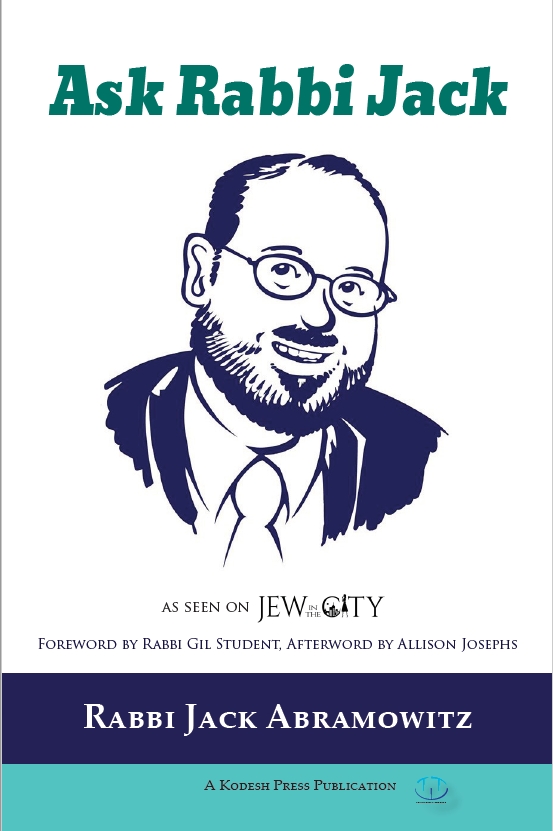
Rabbi Jack's book Ask Rabbi Jack is available from Kodesh Press and on Amazon.com.
Next In This Series